
FREQUENTLY ASKED QUESTIONS
CAN CHINCHILLAS LIVE ALONE?
Chinchillas are social animals that generally live in groups in the wild. Therefore, if they are kept as pets, it is recommended that they have at least one companion of the same species.
Although it is possible to keep a chinchilla alone, it can be a stressful and unhealthy experience for the animal. Chinchillas are very active and curious animals that enjoy the company of others of their kind. If they don't have anyone to interact with, they can become bored, depressed, and more prone to behavioral and health problems.
Also, if a chinchilla lives alone, it can become very dependent on its owner, which can be a problem if the owner goes on vacation or has to be away from home for a while. If the chinchilla has no one else to confide in, it can feel very stressed and anxious during the owner's absence.
In summary, although it is possible for a chinchilla to live alone, it is not recommended. It is important that these animals have companionship of the same species so that they can live a happy and healthy life. If you're considering adopting a chinchilla, make sure you have enough space and resources to care for at least two of these animals.

HOW LONG DO CHINCHILLAS LIVE?
Chinchillas are long-lived animals that can live up to 15 years in captivity if they are provided with proper care. In the wild, their lifespan is a bit shorter, usually 10-12 years.
The longevity of a chinchilla depends on several factors, such as its genetics, diet, veterinary care and the environment in which it lives. Chinchillas need a high-fiber, low-fat diet, so it's important to feed them species-specific foods and limit their intake of sweets and other processed foods.
The environment that chinchillas live in can also affect their health and longevity. It is important to provide them with a cage large enough for them to move around and exercise, as well as to keep their environment clean and free of hazards such as electrical cords and chemicals.
Veterinary care is also important to keep chinchillas healthy and prolong their lives. Chinchillas need regular checkups to detect and treat any health problems as early as possible.
In short, chinchillas can live a long and healthy life if they are provided with proper care.

CAN TWO CHINCHILLAS OF THE SAME SEX LIVE TOGETHER?
Yes, chinchillas can live with a same-sex partner. Unlike some other animals, such as hamsters, chinchillas are not aggressive towards each other and can coexist peacefully. In fact, in the wild, chinchillas often live in family groups that include both males and females.
If you decide to keep two chinchillas of the same sex together, it is important that they have been raised together from a young age so that they can form a strong bond. If you try to introduce two adult chinchillas who don't know each other, they may fight or not tolerate each other.
Additionally, it is important to provide enough space and resources for both chinchillas, such as a large cage, sufficient food and water sources, and toys to prevent competition for resources. It is also recommended that both chinchillas be the same size and age to avoid one dominating the other.
In short, chinchillas can live with a same-sex partner as long as they were raised together from a young age and provided enough space and resources for both. If you are considering keeping two chinchillas together, make sure you do it correctly to avoid any behavior or aggression problems.
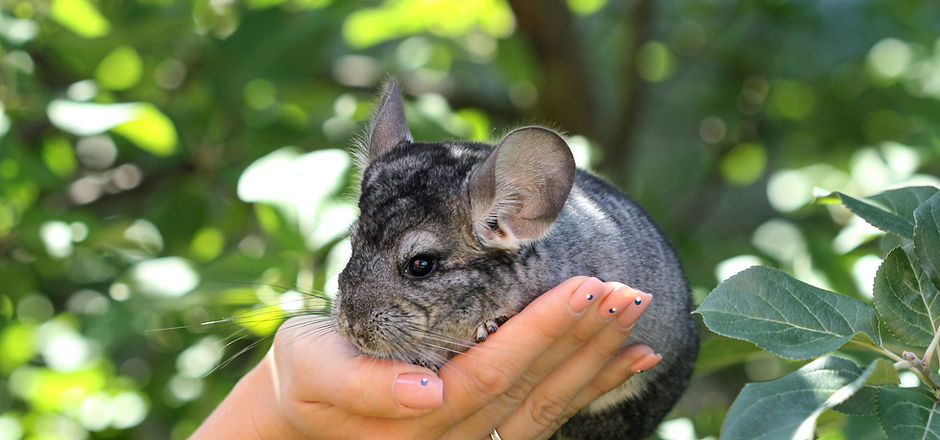
WHERE CAN I GET A CHINCHILLA?
If you are considering getting a chinchilla as a pet, it is important that you buy it from a trusted and ethical source. There are several options available for buying chinchillas, and each has its own advantages and disadvantages.
One option is to find a chinchilla breeder in your area. Breeders can provide information about the health and genetic history of their animals, which can be helpful in making sure you're buying a healthy, well-cared-for chinchilla. Also, breeders often have specialized knowledge about chinchilla feeding, care, and behavior, which can be helpful to new owners.
Another option is to look for chinchillas in pet stores. However, it is important to research the reputation of the store before making a purchase. Some stores may obtain their chinchillas from unethical sources, such as puppy mills, which can increase the risk of disease and behavioral problems in the animals.
You may also consider adopting a chinchilla from an animal shelter or rescue. By adopting, you can provide a home for an animal in need while avoiding supporting commercial animal husbandry. Shelters and rescues also often provide information and advice on chinchilla care and can help you find the right chinchilla for you and your home.
In summary, there are several options for purchasing or adopting a chinchilla, but it is important to research the reputation of the seller or shelter before making a decision. If you are considering purchasing a chinchilla, make sure you are committed to providing it with a safe home and proper care to help it live a happy and healthy life.